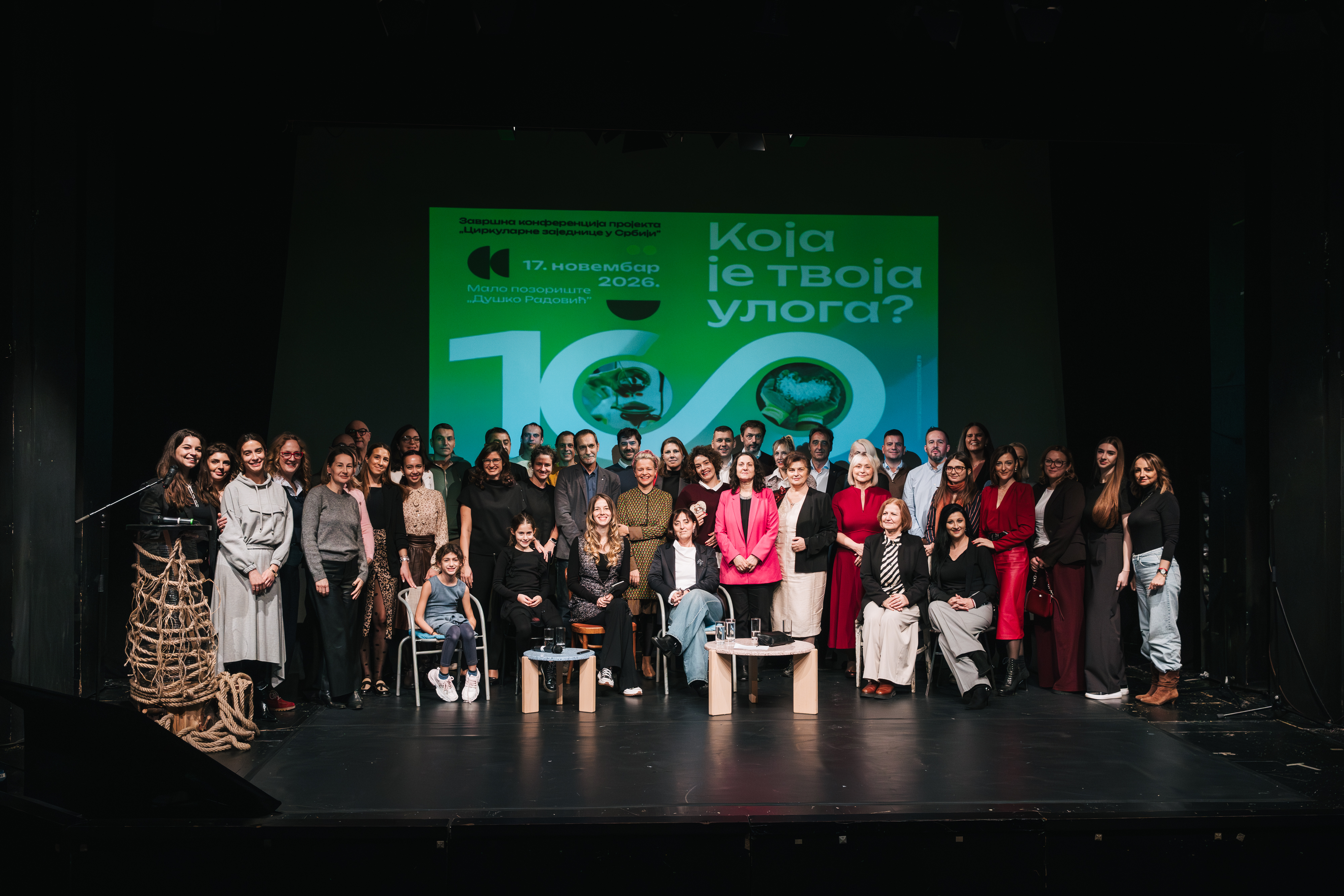
Belgrade, 17 November 2026 – With financial support from the Global Environment Facility (GEF) and in partnership with the Ministry of Environmental Protection, the United Nations Development Programme (UNDP) presented 100 circular innovations demonstrating how circular economy principles can contribute to more sustainable local development. These innovations were brought to life through the Circular Communities in Serbia project, with a total of USD 2.7 million in GEF funding.
The innovations were developed by research institutions, local governments, private sector companies and civil society organizations, and have been applied across a range of sectors, including sustainable cosmetics, textiles, architecture, food production and agriculture.
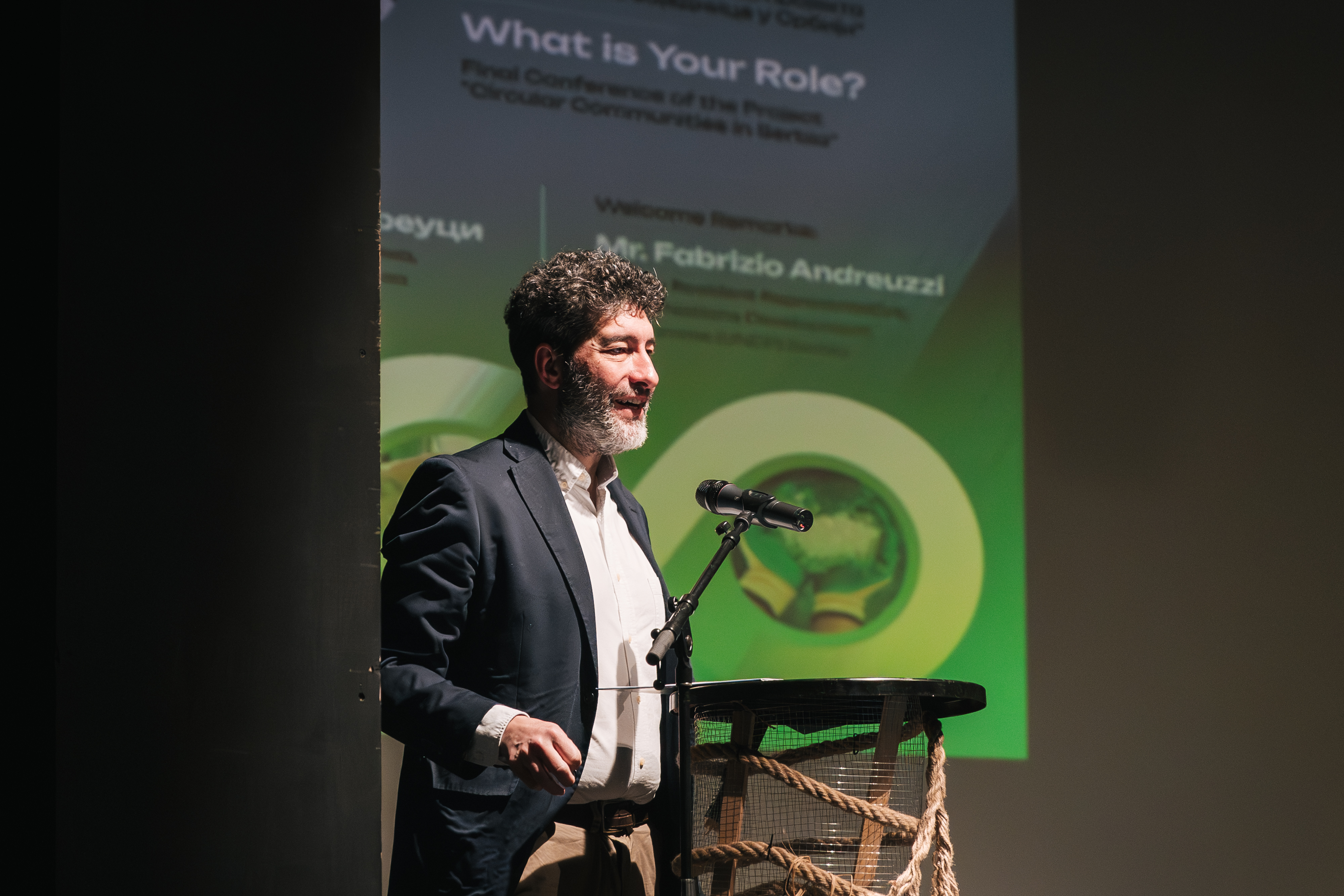
“These innovations are already making a difference by reducing waste, conserving natural resources, creating higher-quality and longer-lasting products, generating green jobs, and fostering new, creative partnerships and communities. From turning fruit processing residues into new products, to creating tear-resistant books for babies, to developing local heating solutions that use green waste, creative and bold innovators across Serbia have demonstrated how the circular economy works in practice. Their solutions provide a foundation for building a more sustainable future for all,” said Fabrizio Andreuzzi, Deputy Resident Representative of UNDP in Serbia.
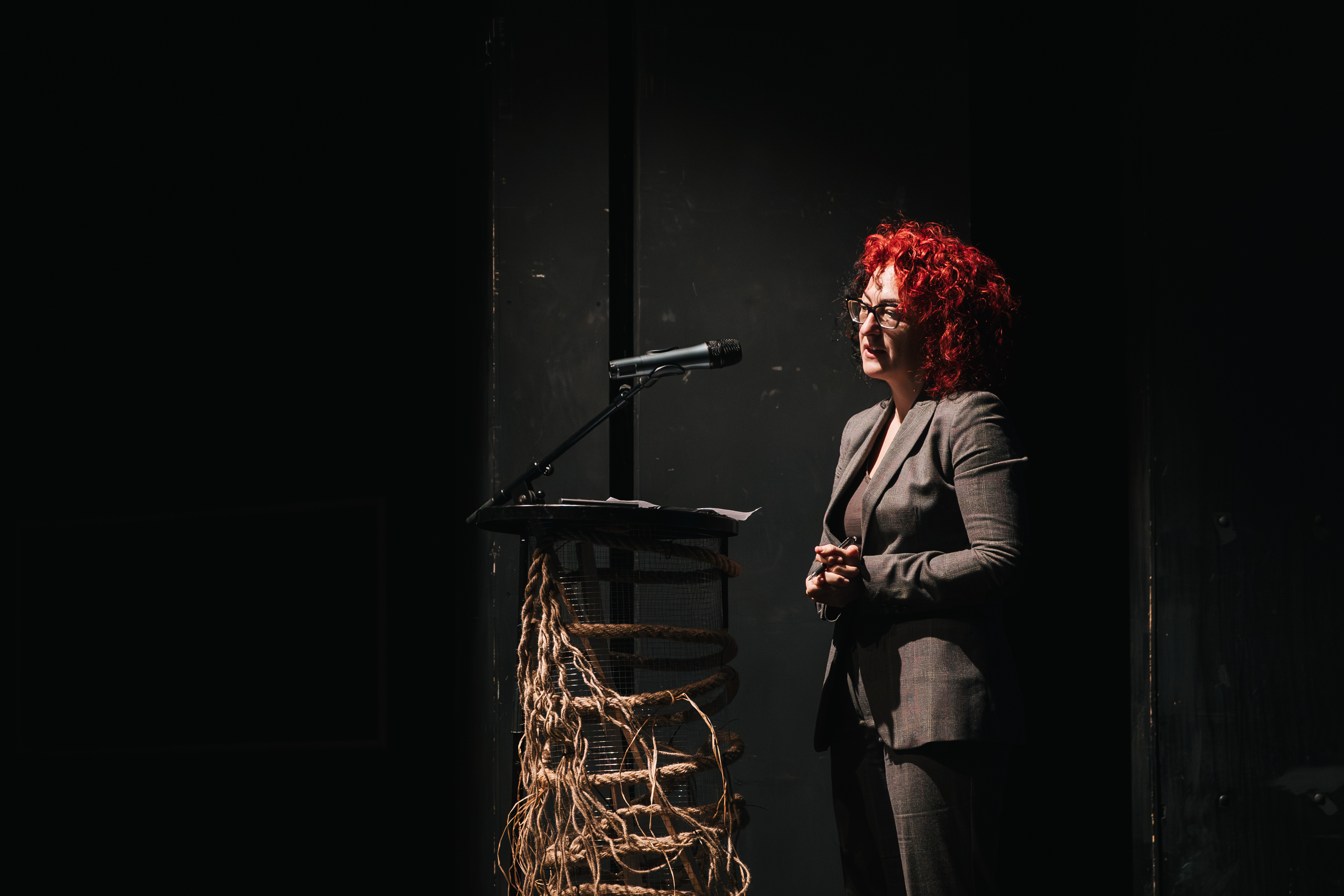
All 100 circular innovations were selected and supported through public calls specifically designed to promote women’s entrepreneurship, strengthen cooperation between science and business, and integrate informal waste collectors into the formal waste management system.
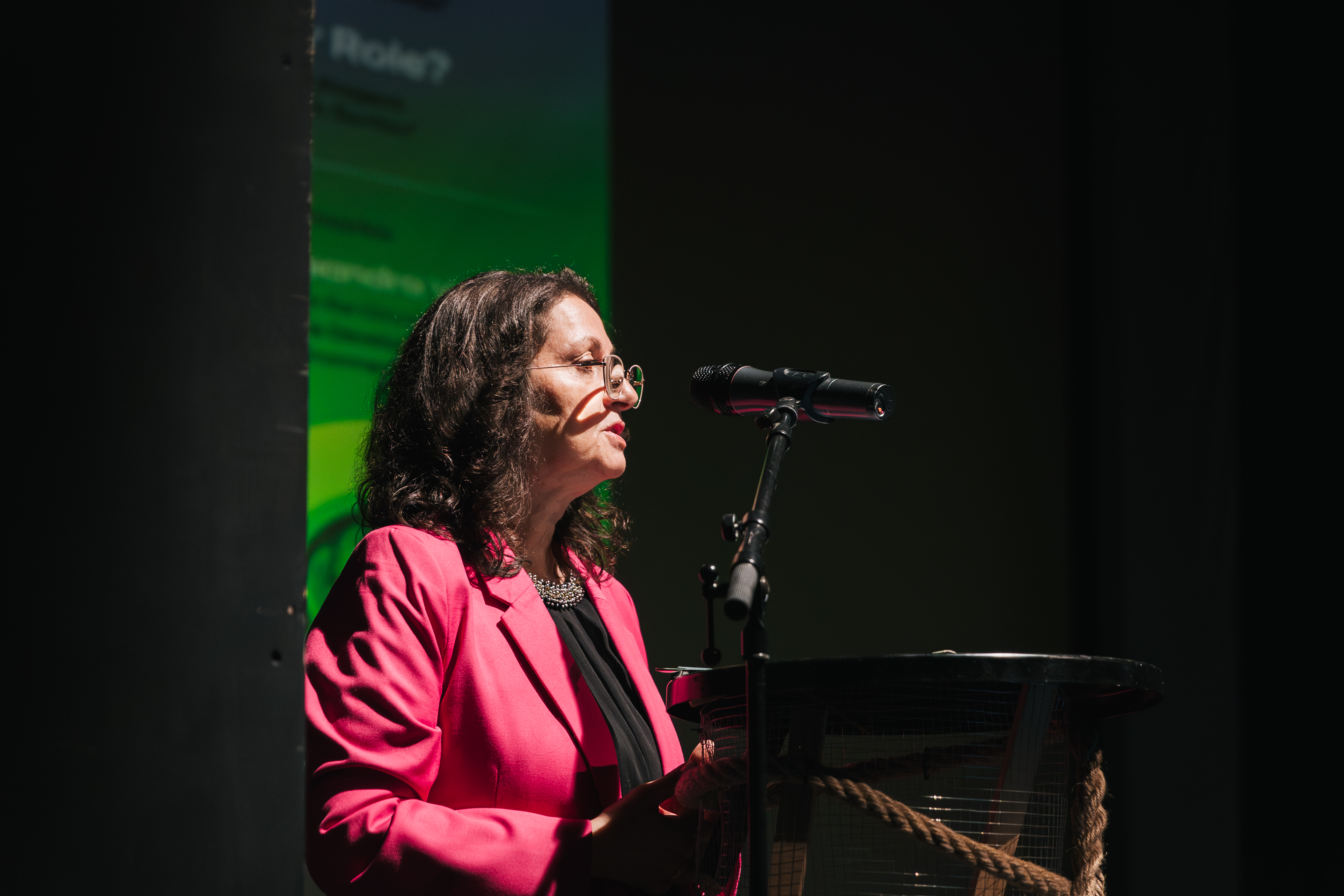
“The results of this project confirm that the circular economy is not only about environmental protection, but also presents an opportunity to strengthen economic competitiveness through innovation, entrepreneurship and social inclusion,” said Aleksandra Vučinić, Head of Section for Circular Economy and Sustainable Development, Ministry of Environmental Protection.
She particularly highlighted the project’s contribution to the implementation of the Action Plan for the 2022–2024 Circular Economy Development Programme in the Republic of Serbia, which laid the foundations for a systemic transition from a linear to a circular economic model. The project also supported the preparation of the new Circular Economy Development Programme for 2026-2030, which will provide a framework for further advancing Serbia’s circular transition.
As part of the accompanying programme, the Circular Innovation Fair showcased 20 products demonstrating how materials that would otherwise become waste can be repurposed and given new value. These included decorative and functional items made from raw wool, boxes produced from paper waste, and decorative panels made from recycled glass.
“My team designs and produces durable, soft and washable books for children and babies. We help reduce waste by following one of the fundamental principles of the circular economy – ‘reduce’ – as our products are designed to withstand repeated use and can be used over and over again,” explained Vida Medić, founder of the Mekiša brand, which presented its products at the event.
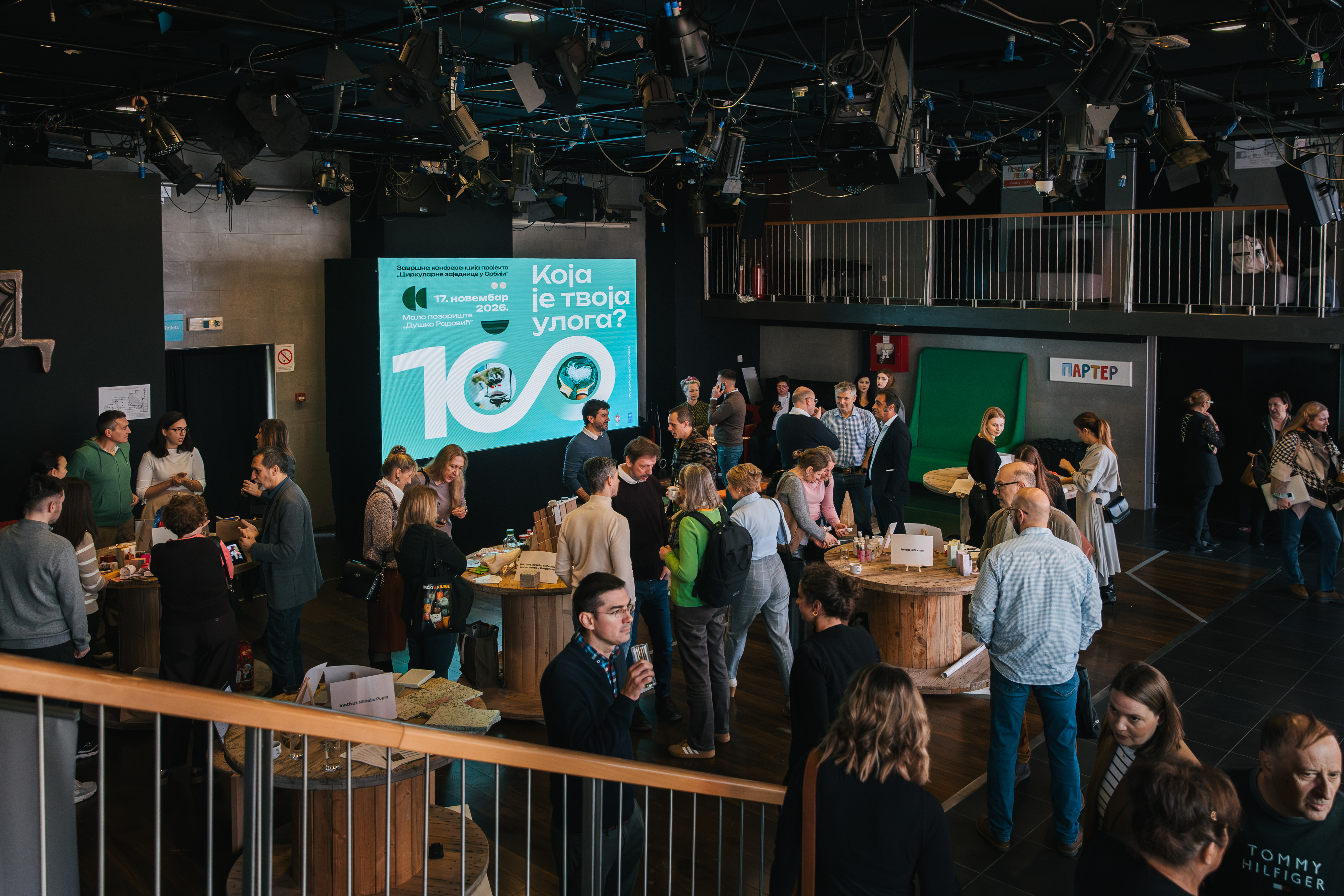
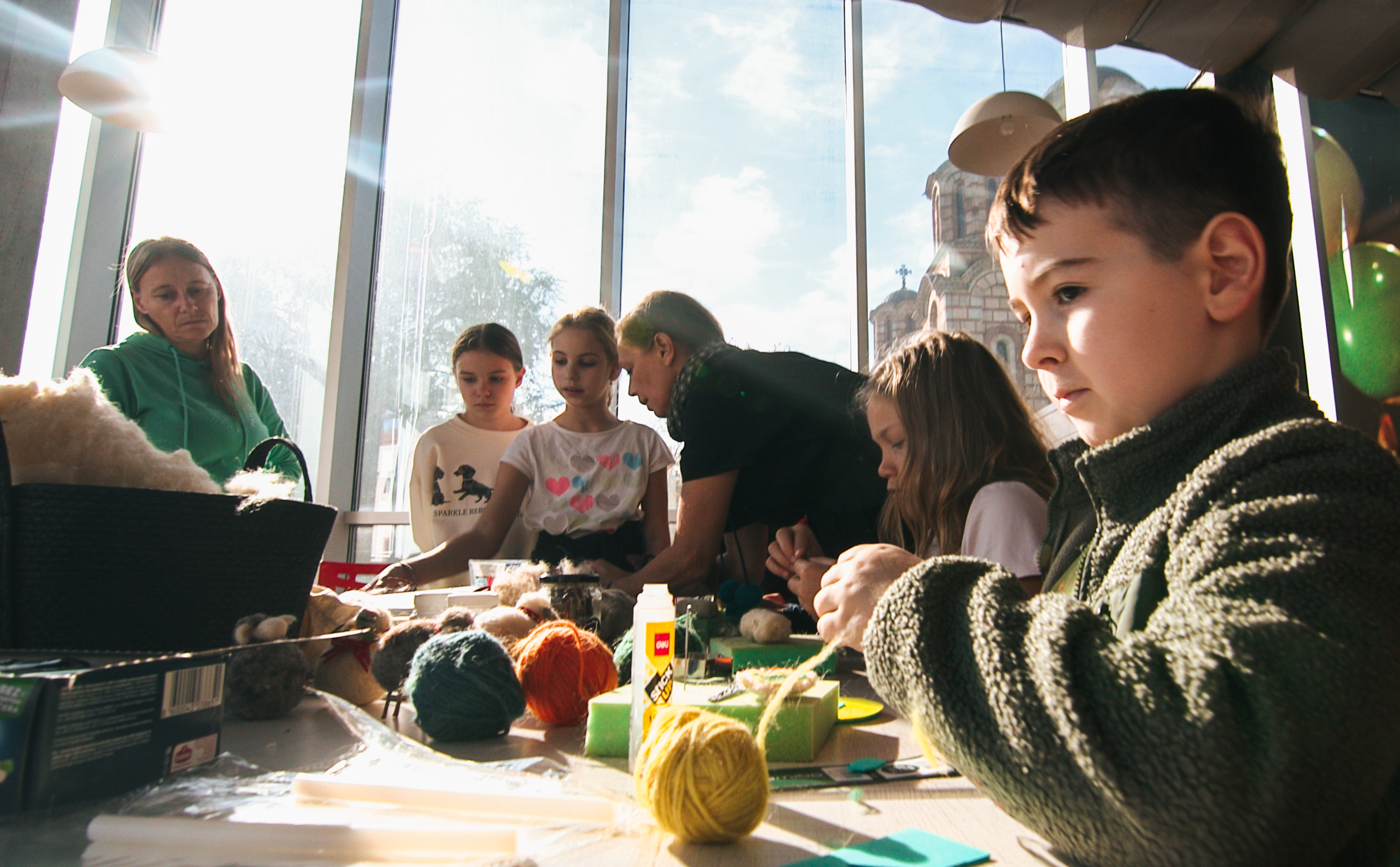
Part of the programme was also dedicated to younger audiences. During creative workshops, primary school children made decorative butterflies and flowers from waste wool, as well as bookmarks from discarded labels. Through hands-on activities, they explored the possibilities of reusing materials and learned about the importance of using resources responsibly.
The conference also served as an affiliated event of the World Circular Economy Forum. It was organized as part of the project Reducing the Carbon Footprint of local communities by applying the principles of the circular economy in the Republic of Serbia – Circular Communities, implemented by UNDP in partnership with the Ministry of Environmental Protection, with financial support from the Global Environment Facility (GEF).